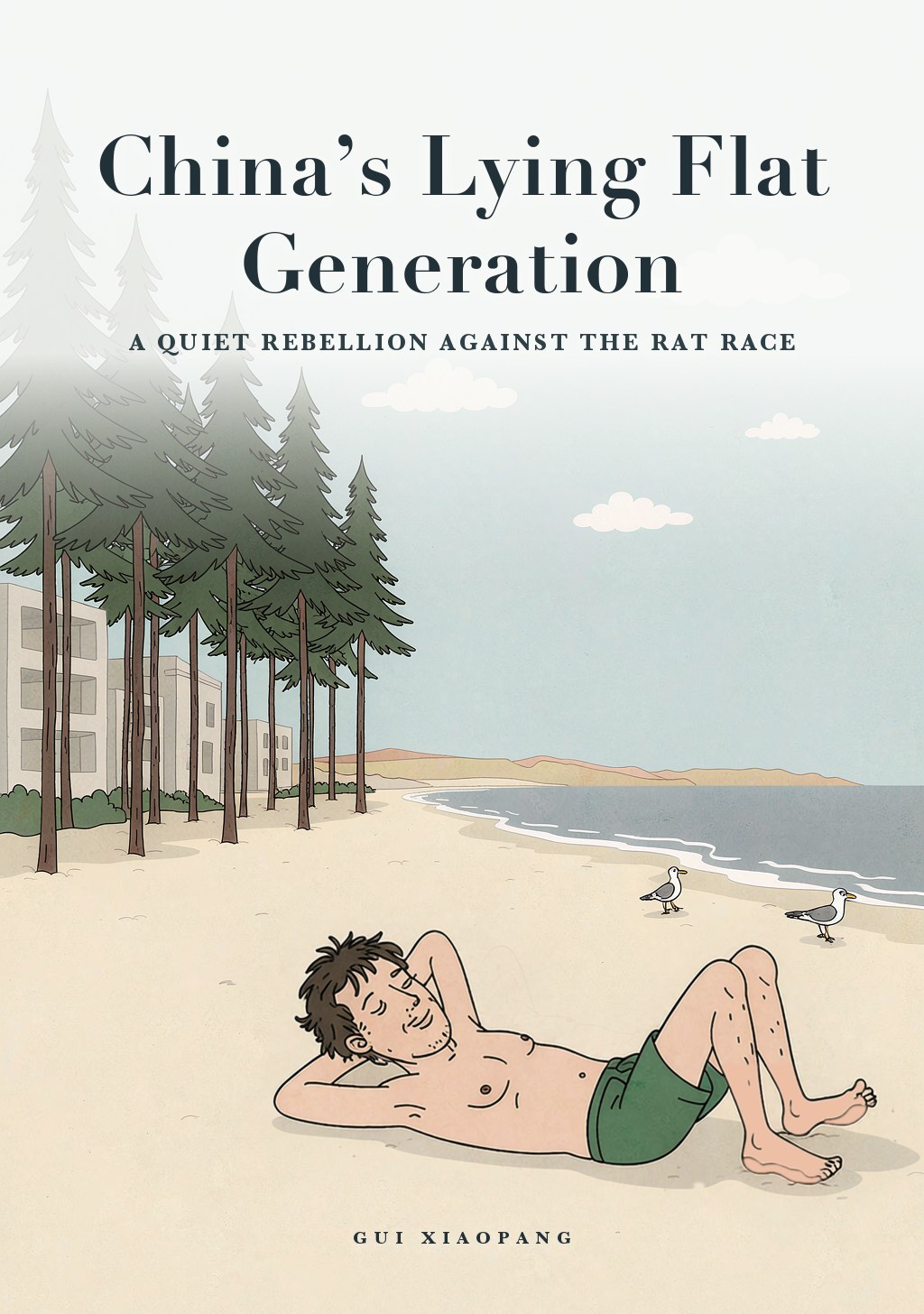
English first, Chinese beneath.
“Most books about quitting turn out to be books about the job. This one is about weather, rent, low tide and the price of soy sauce — and it is the calmest account I know of a life being taken apart and put back together, one ordinary Thursday at a time.”
“写“不干了”的书,最后往往变成写那份工作。这一本写的是天气、房租、退潮和酱油的价钱。一个人把生活拆开,又在无数个平常的星期四里重新装好——这是我读过最平静的一份记录。”
— Eleanor Voss, The Tide Almanac
埃莉诺·沃斯,《潮汐历》
“Other countries have their hermits and their dropouts. It seems China now has a man in a rented flat with a notebook. He never argues. He writes down what the day cost and what the sea did, and by the last page the argument has made itself.”
“别的国家有隐士,也有主动退场的人。中国似乎终于有了一个——坐在出租屋里,手里一个本子。他从不争辩。他只写下今天花了多少、海是什么样子;翻到最后一页,结论自己站了出来。”
— Tomás Iriarte, A Geography of Idleness
托马斯·伊里亚特,《懒惰地理学》
“He writes the sea without grandeur — only how today’s wind differs from yesterday’s. I have rarely met such patience in an essayist. He lives slowly and writes slowly, slowly enough that the reader begins to suspect the thing we call ambition may have been a misunderstanding from the start.”
“他写海,不写壮阔,只写今天的风和昨天的风哪里不一样。这样的耐心,我在散文里很少见到。他日子过得极慢,写得也极慢,慢到读者会开始怀疑:我们叫做“上进”的那件东西,是不是从头到尾都只是一场误会。”
— Lin Zhiyuan, The Slow Boat South
林知远,《慢船去南方》
“The subtitle calls it a quiet rebellion, and the book earns the word without ever raising its voice. A thousand days in which nobody asks him to be anywhere: that is the whole plot, and I could not put it down.”
“副标题说这是一场安静的反叛。整本书没有提高过一次嗓门,却把这两个字坐实了。一千多个日子里,没有人要他出现在任何地方——情节就这么一点,我却放不下。”
— Sarah Okonkwo, Small Rebellions
莎拉·奥孔克沃,《小小的反叛》
“I have read many books about doing nothing. This is the first one in which nothing actually happens, and it is almost unbearable, and it is the truest thing I have read about a coast in winter.”
“关于“什么都不做”的书,我读过不少。这是第一本真的什么都没发生的。它几乎让人受不了——也正是我读过的、关于冬天的海岸最诚实的一本书。”
— Rei Arai, The Practice of Doing Nothing
荒井零,《什么都不做的练习》